

Optimizing Your Headline for Maximum Impact
Optimizing Your Headline for Maximum Impact: Proven Tips for High-Converting Marketing Headlines
A headline is the single most influential line between your offer and a potential conversion; headline optimization is the process of systematically crafting and testing headlines to increase attention, match user intent, and lift measurable conversion metrics like opt-in rate, open rate, and click-through rate. This article teaches practical headline formulas, platform-specific tactics for landing pages, email subject lines, and ad copy, plus A/B testing frameworks you can deploy immediately to improve performance. We will define headline optimization, explain the psychological and semantic mechanisms that make persuasive headlines work, and provide template-driven examples you can adapt across channels. After defining core elements and high-converting formulas, we’ll walk through platform-specific best practices, A/B testing steps and measurement tables, and semantic SEO techniques to improve search visibility and snippet eligibility. Because traffic quality directly affects headline outcomes, we’ll briefly note how targeted traffic sources like Solo Ads interact with headline and landing page performance, and how services such as Wholesale Premium Traffic can supply human traffic that makes headline testing robust. Read on to learn concrete headline templates, testing tables, and a step-by-step plan to raise conversion rates across your funnels.
What Is Headline Optimization and Why Does It Matter for Conversions?
Headline optimization is the intentional design and testing of headlines to capture attention, set accurate expectations, and drive a specific action; it works because headlines act as the filter that determines whether a visitor reads, clicks, or bounces, and small changes can produce measurable lifts in opt-ins and CTR. By aligning language to user intent and emphasizing the single most compelling benefit, headlines reduce cognitive friction and increase the probability of conversion when paired with matching offers. In practical terms, effective headline optimization impacts three core metrics: landing page opt-in rate, email open rate, and ad click-through rate, and these serve as primary success indicators. Understanding these metrics leads directly into how headline changes translate into landing page and email performance improvements in the next subsection.
How Does Headline Optimization Improve Landing Page and Email Performance?
Headline optimization improves landing page and email performance by immediately validating the visitor’s intent and communicating the most relevant benefit, which shortens decision time and increases clicks or opt-ins. On a landing page, a precise headline matched to incoming traffic can reduce bounce rates and raise opt-in rates by clarifying value in the first two seconds; for email, the subject line and preheader together serve the same role to increase open rate. For example, changing a vague headline to a benefit-specific headline with a number (“Get 3X More Targeted Leads in 30 Days”) focuses expectation and can yield double-digit percentage lifts in opt-in performance when A/B tested. These mechanics set up the next topic: the elemental components that make a headline persuasive and testable.
What Are the Key Elements of an Effective Headline?
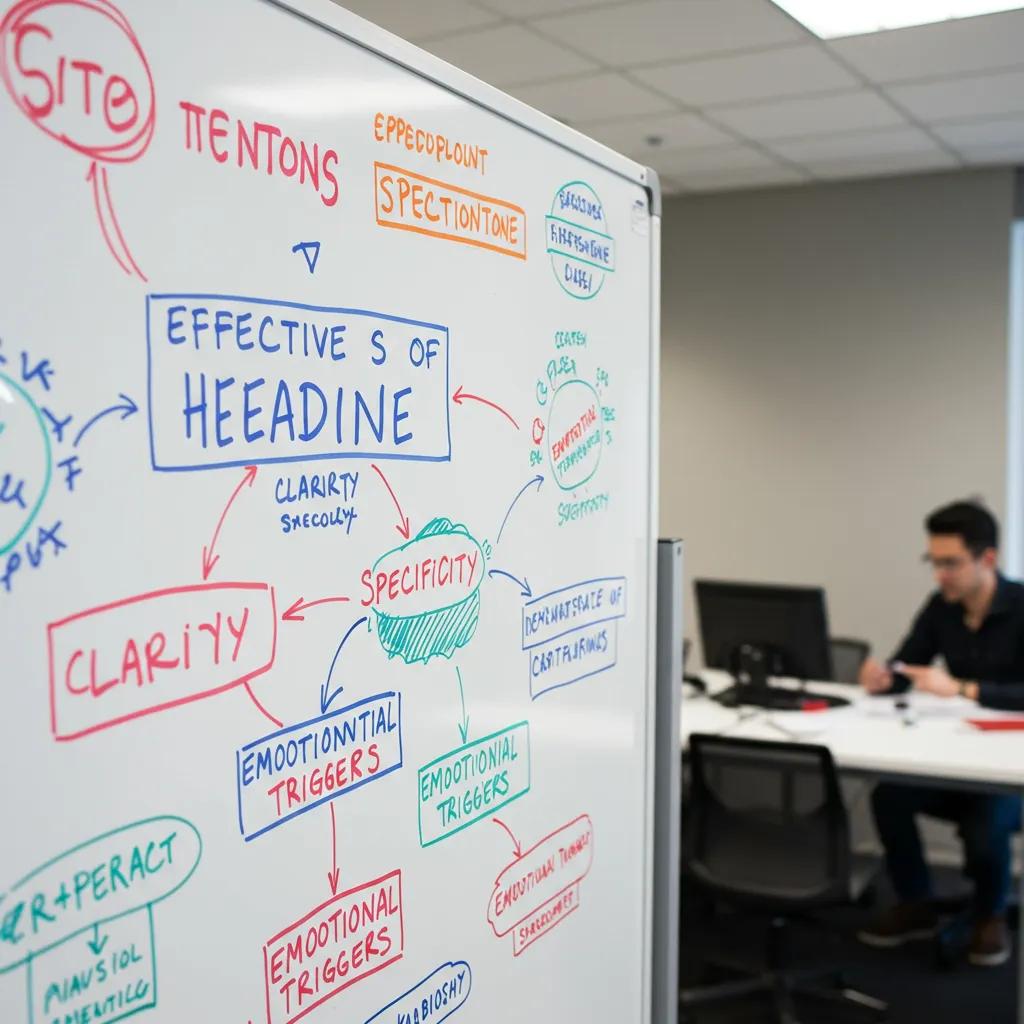
An effective headline combines a clear value proposition, specificity (often numbers), an emotional trigger tuned to the audience, and a single, unambiguous call to action or promise; together these elements reduce friction and increase trust. Clarity means the reader immediately understands the benefit, specificity quantifies that benefit, and an emotional trigger (curiosity, urgency, or exclusivity) compels attention while a supporting subheadline or proof element reinforces credibility. For example, swap “Improve Your Marketing” (vague) for “Increase Free Trial Sign-ups 42% in 30 Days” (specific, measurable, and actionable) to improve perceived utility. These components prepare us to consider user intent and how intent shapes headline choices in the following subsection.
How Does User Intent Influence Headline Creation?
User intent—informational, commercial, or transactional—determines the tone, specificity, and CTA of an effective headline because matching intent reduces cognitive dissonance and improves conversion likelihood. Informational intent benefits from how-to and list headlines that promise learning, commercial intent responds to benefit-driven and comparison headlines, and transactional intent benefits from urgency and direct CTAs that emphasize immediate action or scarcity. For instance, an informational headline might read “How to Audit Your Landing Page Headline in 10 Minutes,” while a transactional headline reads “Claim Your Limited Bonus — Join Now.” Mapping intent to headline style ensures relevance and sets the stage for choosing the right headline formula, which we explore next.
This section reviewed what headline optimization is and why it shifts conversion metrics; the next major section examines specific headline formulas that consistently drive higher conversion rates.
Which Headline Formulas Drive the Highest Conversion Rates?
High-converting headline formulas fall into repeatable categories—question, benefit-driven, urgency/scarcity, numbers/data-driven, and how-to—and each formula maps to platform and intent to maximize impact. These formulas work because they either prime curiosity, state clear benefits, create urgency to act, or provide measurable credibility, and choosing the right formula begins by defining campaign objective and audience intent. Below is a short list of common high-converting formulas and when to use them, followed by an EAV-style comparison table that helps select the right approach.
Common headline formulas and when to use them:
- Question Headlines: Use when you want to engage curiosity or prompt self-assessment.
- Benefit-Driven Headlines: Use when clarity and immediate value are primary conversion levers.
- Urgency/Scarcity Headlines: Use for time-limited offers or inventory-limited promotions.
- How-To / Numbered Headlines: Use for instructional or educational content that builds authority.
These formula choices lead directly into examples and practical comparisons in the table below to help you select and test the best headline for a given campaign.
| Headline Formula | Best Use Case (Platform/Intent) | Example Headline | Typical Benefit |
|---|---|---|---|
| Question | Email or landing page for informational intent | “Are You Losing Leads Because of This One Headline Mistake?” | Engages curiosity; increases clicks |
| Benefit-Driven | Paid ads and landing pages for commercial intent | “Double Your Trial Starts with This Conversion Headline” | Clear value proposition; improves opt-ins |
| Urgency/Scarcity | Promotional emails and limited offers | “Only 48 Hours to Claim This Bonus Offer” | Accelerates decision; reduces procrastination |
| How-To / Numbered | Blog, lead magnets, and educational emails | “5 Headline Tweaks That Boost CTR by 10%” | Builds authority; increases engagement |
This comparison clarifies which formulas match platform and intent and sets up the next group of subsections detailing each formula type and its mechanics.
What Are Question Headlines and How Do They Engage Readers?
Question headlines work by invoking the reader’s internal voice and prompting an implicit answer, which increases engagement and lowers resistance to reading further; the mechanism relies on curiosity and self-relevance. On landing pages, a targeted question like “Struggling to Convert Solo Ad Traffic?” mirrors the visitor’s problem and encourages them to scan for the solution, improving time-on-page and opt-in likelihood. For email subject lines, a short question can boost open rates when paired with a strong preheader that promises value. Question headlines should be used when the audience already recognizes a problem; next we’ll explore benefit-first structures that explicitly state the value for those further along the purchase funnel.
How Do Benefit-Driven Headlines Communicate Value?
Benefit-driven headlines place the key outcome first, reducing ambiguity and accelerating decision-making by promising a tangible improvement, often backed by numbers for credibility. Examples like “Increase Leads 30% with This Headline Structure” communicate both the result and the method’s relevance, which improves trust and stimulates action. Benefit-first headlines work especially well in paid traffic and landing pages where brevity and clarity are paramount, and they pair effectively with supporting proof or subheadlines. After benefit-first tactics, urgency and scarcity operate differently by leveraging time sensitivity, which is the subject of the next subsection.
Why Use Urgency and Scarcity in Headlines to Boost Action?
Urgency and scarcity create a time-based or availability-based incentive that pushes prospects from consideration to action by signaling potential loss if they delay, and the psychological mechanism is rooted in loss aversion. Effective urgency language is specific and credible—limited seats, expiring bonuses, or time-bound discounts—while ethical use avoids false scarcity to preserve long-term trust. Used sparingly and honestly, urgency can convert fence-sitters into immediate buyers without damaging reputation; this leads into other headline types like how-to and social-proof which emphasize authority and credibility.
What Are Other Powerful Headline Types for Marketing?
Other effective headline types include how-to headlines that teach, list headlines that promise structured takeaways, data-driven headlines that cite results, and social-proof headlines that reference outcomes or user counts; each serves a distinct conversion purpose. How-to and list headlines build trust and are ideal for lead magnets, while data-driven headlines are excellent for case studies and ads aimed at skeptics. Choosing among these depends on your audience’s stage in the funnel and the traffic source used, which segues into the next H2 about platform-specific headline optimization.
How Do You Optimize Headlines for Different Marketing Platforms?
Platform optimization aligns headline length, tone, and focus with user behavior and platform constraints; doing so ensures headlines meet expectations and convert the specific type of traffic arriving from search, email, or paid channels. For landing pages, headlines must be unambiguous and match incoming traffic intent; for email, subject lines must balance curiosity and clarity within limited characters; for ads, headlines must pair with creative and a concise CTA to prompt clicks. The following subsections provide direct best practices and a concise landing-page EAV table to apply immediately.
What Are Best Practices for Landing Page Headlines to Maximize Opt-Ins?
Landing page headlines should communicate the single biggest benefit above the fold, be concise and specific, and pair with a reinforcing subheadline that adds credibility or clarifies the offer, because visitors decide in seconds whether to stay. A strong landing headline follows the visitor’s expected promise from the traffic source—match phrasing from an email or ad to reduce friction—and the subheadline provides proof or a quick how-to that lowers skepticism. Use numbers and tangible outcomes when possible and keep variant tests limited to one headline variable at a time to isolate effects. For pages receiving targeted Solo Ads traffic, a Landing Page Performance Assessment can identify headline mismatches and recommend precise wording tweaks to improve opt-in rates, which connects headline work to traffic quality assessment.
A/B Headline Testing for Content Optimization in Newsrooms
Audience analytics are an increasingly essential part of the modern newsroom as publishers seek to maximize the reach and commercial potential of their content. On top of a wealth of audience data collected, algorithmic approaches can then be applied with an eye towards predicting and optimizing the performance of content based on historical patterns. This work focuses specifically on content optimization practices surrounding the use of A/B headline testing in newsrooms. Using such approaches, digital newsrooms might audience-test as many as a dozen headlines per article, collecting data that allows an optimization algorithm to converge on the headline that is best with respect to some metric, such as the click-through rate. This article presents the results of an interview study which illuminate the ways in which A/B testing algorithms are changing workflow and headline writing practices, as well as the social dynamics shaping this process and its implementation within US newsrooms.
Optimizing content with A/B headline testing: Changing newsroom practices, N Hagar, 2019
| Element (Headline Type) | Attribute (Length, Focus, Tone) | Value/Recommendation |
|---|---|---|
| Benefit-First Headline | Short (6–10 words), Results-focused, Confident | Lead with the key outcome and a measurable promise |
| Question Headline | Short (6–12 words), Problem-focused, Conversational | Mirror visitor pain point to create immediate relevance |
| How-To Headline | Moderate (8–14 words), Educational, Helpful | Use for lead magnets and instructional offers |
| Urgency Headline | Very short (4–8 words), Time-focused, Direct | Reserve for authentic, time-limited promotions |
This table clarifies headline attributes for landing pages and leads naturally into email subject-line optimization where character limits and preview text matter.
How Can You Craft Email Subject Lines That Increase Open Rates?
Email subject lines must prioritize clarity and relevance while leveraging personalization and preview text synergy to increase open rates, because inbox behavior is driven by fast scans and trust signals. Keep subject lines between 35–60 characters for most clients, test inclusion of names or dynamic variables, and always use preview text to add context or a secondary benefit; avoid spammy words that harm deliverability. Effective subject-line templates include curiosity with a benefit (e.g., “How to boost leads this week — quick checklist”) and A/B testing variations on length and personalization. These best practices transition into ad headline guidance, where immediate CTR and landing page quality are the focus.
A/B Testing: Turning Clicks into Customers
Since they’re A/B testing the main site, they decide to start optimizing the blog, too. On the , you could be optimizing the wrong thing. Maybe people click headlines because they are
A/B testing: The most powerful way to turn clicks into customers, 2015
What Makes Ad Copy Headlines Effective for Paid Traffic and Clicks?
Ad headlines must match ad creative, align with the landing page promise, and deliver a concise benefit plus CTA because paid traffic converts when message match is seamless and the perceived value outweighs the cost of the click. For search ads, prioritize relevance and keywords; for social ads, use attention-grabbing benefit statements or curiosity hooks and short CTAs; for display ads, focus on bold specificity and visual clarity. Always test headline-creative combinations and monitor CTR and post-click conversion to avoid optimizing for clicks that don’t convert. This platform-specific guidance sets up the next section on A/B testing to validate headline choices statistically.
How Can A/B Testing Improve Your Headline Performance?
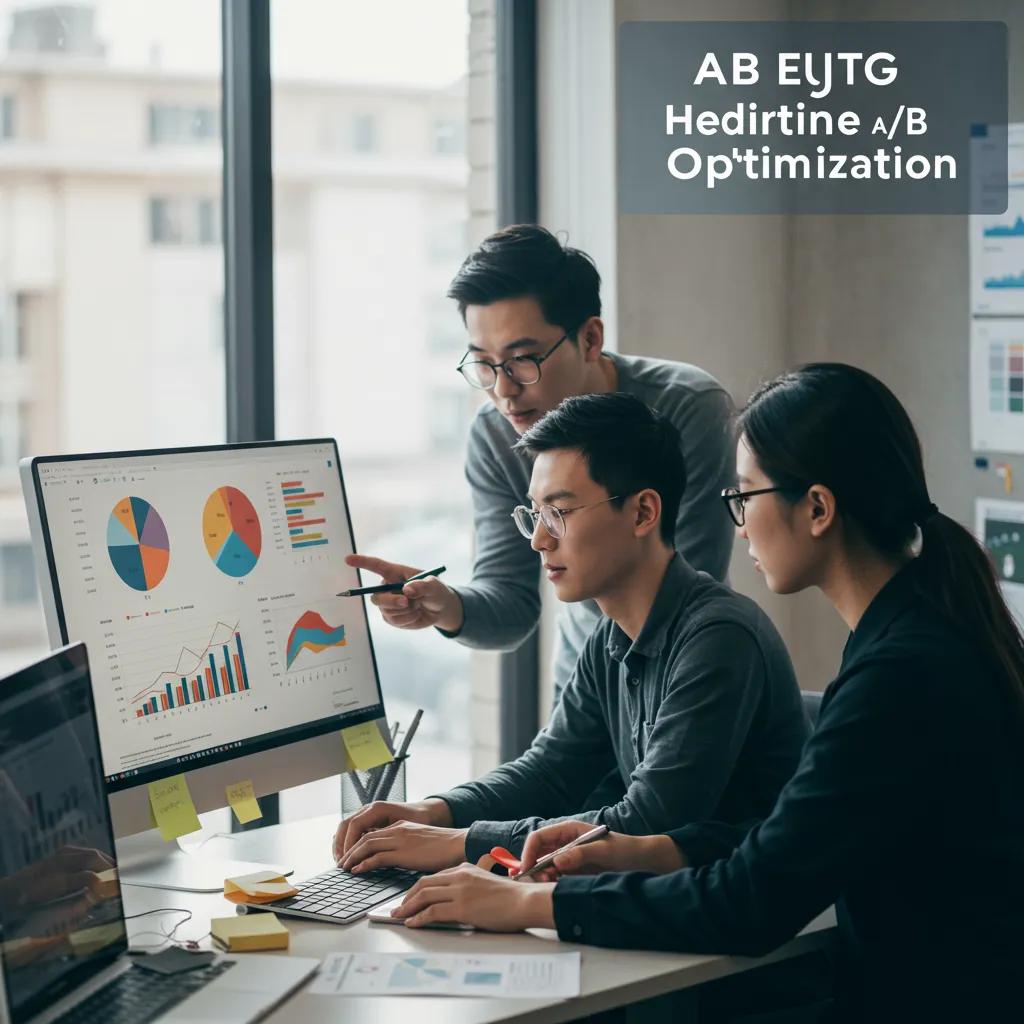
A/B testing makes headline optimization repeatable by isolating headline variables, measuring their impact on core metrics, and iterating based on statistically sound results; this process reduces guesswork and surfaces the highest-performing language for your audience. Tests should start with a clear hypothesis, a single variable change, and sufficient traffic to reach a reliable sample size, focusing on the primary conversion metric for the page or email. The following subsections walk through setup steps and result analysis, and the table below provides practical testing parameters for common headline experiments.
What Are the Steps to Set Up Effective A/B Tests for Headlines?
Set up A/B tests by defining a hypothesis (what change you expect and why), selecting one variable (headline wording), splitting traffic evenly, and setting a predetermined sample size and duration to avoid premature decisions; use testing tools built into landing page platforms or dedicated experimentation software. Begin with a control and one variant, track the primary metric (opt-in rate for landing pages, open rate for subject lines), and ensure segmentation mirrors typical traffic to avoid skewed results. Document each test’s context and keep iterations small to learn which headline elements—benefit phrasing, number inclusion, emotional trigger—drive lifts. These setup steps lead into how to interpret results and decide whether to roll out or iterate further.
Social Media Headlines: Impact on Attention and Engagement
Social media is an important source of product information for many users. Marketing in social media is based not only on building a community around the brand, but social media is used as a way to reach a defined group of users with a marketing message. These users are shown content, including promoted posts, which is to draw their attention, interest and get them to action, i.e. click on the link and read the article promoting an event or product. In this article, we investigated how the different headline wordings (question, traditional, forward referring) affect the desire to read the article. An experiment was conducted on 75 participants, which confirmed that the header has a large effect size. The ANOVA analysis was carried out in two stages, additionally taking into account the importance and general interest in the subject of the article by users. Finally, the possible business implications, limitations, and directions for future research were identified.
Social media content headlines and their impact on attracting attention, K Jeganathan, 2020
| Test Element | Metric to Track | Minimum Sample Size / Duration |
|---|---|---|
| Landing Page Headline | Opt-in rate / Conversion rate | 1,000 unique visitors or 2-4 weeks |
| Email Subject Line | Open rate (and downstream CTR) | 5,000 recipients split evenly or 1-2 sends |
| Ad Headline | CTR and post-click conversion | 10,000 impressions or 2-3 weeks |
This table provides practical thresholds for planning tests and leads into the next section on analyzing results to choose winners.
How Do You Analyze A/B Test Results to Choose Winning Headlines?
Analyze A/B test results by first confirming statistical significance, then evaluating practical significance—does the observed lift justify rollout given cost per acquisition and campaign goals—and finally by documenting learnings to inform future variations. Use confidence intervals or a simple significance calculator to avoid false positives, and consider secondary metrics such as engagement and downstream conversion to ensure the headline isn’t driving low-quality traffic. If results are inconclusive, run a follow-up test with clearer variable changes or larger samples; if a variant wins, implement it broadly and design a new hypothesis to continue optimization. The interpretation process connects directly to psychological triggers that explain why certain headlines won, which we examine next.
Robust testing turns assumptions into data-driven headline improvements; the next H2 explores the psychological levers that make those headlines persuasive.
What Role Does Psychology Play in Writing Persuasive Headlines?
Psychology underpins headline effectiveness because emotional triggers, perceived value, and trust cues determine whether a reader engages and acts; well-crafted headlines use these principles to reduce friction and prompt behavior. Persuasive headlines commonly leverage curiosity, scarcity, social proof, and desire for improvement while maintaining clarity to avoid misleading prospects. Understanding which triggers fit your audience and offer helps choose tone and intensity, and the following subsections catalog top emotional drivers and the role of clarity in building trust.
Which Emotional Triggers Increase Headline Engagement?
Top emotional triggers that increase headline engagement include curiosity (prompts clicks), urgency/fear of missing out (accelerates action), social proof (reduces perceived risk), and exclusivity (increases perceived value); each operates through a distinct psychological pathway. Curiosity works best when the headline promises a useful reveal; urgency works when the audience is near a decision; social proof lowers perceived risk, and exclusivity elevates perceived worth. Use these triggers ethically and combine them with clear value to prevent disappointment after the click. Recognizing appropriate trigger intensity prepares you to craft headlines that promise outcomes credibly, which ties into clarity and specificity discussed next.
How Does Clarity and Specificity Build Trust in Headlines?
Clarity and specificity build trust by reducing ambiguity and making claims verifiable; readers respond better to concrete numbers, timelines, and clear outcomes because specificity signals competence and accountability. Replace vague terms like “better results” with measurable promises—percentages, timeframes, or concrete benefits—to decrease skepticism and increase conversion probability. Combine specific headlines with proof elements, such as testimonials or data points in the subheadline or body, to substantiate claims and sustain long-term credibility. This emphasis on specificity links naturally to semantic SEO strategies that help headlines perform in search and featured snippets, which we examine next.
The psychological principles above explain why certain headline words work; next, learn how semantic SEO and structured data help headlines gain search visibility and feature in snippets.
How Does Semantic SEO Enhance Headline Optimization for Search Visibility?
Semantic SEO improves headline discovery by using entity-rich language and contextual signals that help search engines understand topic relevance and intent, increasing the chance of appearing in featured snippets and other SERP features. Entity-rich headlines include clear subject entities (e.g., “headline optimization,” “landing page opt-ins”) and related concepts that align with user queries, while structured data like Article or FAQ markup signals how the content should be represented. Implementing semantic triples—Entity → Relationship → Entity—within headline-adjacent text and meta descriptions strengthens topic association and helps search engines match your headline to user intent. These techniques set up the following subsections on entity-rich headlines and markup options.
What Are Entity-Rich Headlines and Why Are They Important?
Entity-rich headlines explicitly name the main topic and related entities to provide context that search engines and users recognize, which improves matching for semantic queries and increases snippet eligibility. For example, a headline that includes “landing page headline optimization” signals both the topic and its application, whereas a keyword-stuffed headline lacks precise entity relationships and may underperform. Using entities consistently across headings, subheadlines, and meta content reinforces the knowledge graph connections necessary for rich results. Understanding entities informs which schema to apply, which is the next topic.
How Can Structured Data Markup Improve Headline Search Features?
Structured data markup, such as Article, HowTo, and FAQPage schema, explicitly maps content components to schema properties and increases the likelihood that search engines will display headlines in rich results or featured snippets. Implementing headline and mainEntity relationships in JSON-LD helps search engines present concise answers and excerpted headlines in SERPs, improving click-through rates for targeted queries. Use HowTo schema for instructional content and FAQ schema for common question-answer pairs to enhance snippet chances without changing headline semantics. Proper markup complements headline optimization by clarifying content intent, and this clarification is particularly valuable when you drive targeted traffic like Solo Ads, bringing us to the final business-focused section.
The semantic strategies above help headlines perform in search and support cross-channel consistency; next, we’ll connect optimized headlines directly to Solo Ads ROI and landing page performance.
How Can Optimized Headlines Maximize the ROI of Solo Ads Traffic?
Optimized headlines are mission-critical for Solo Ads traffic because solo ads deliver concentrated bursts of human visitors who decide in seconds whether to engage; headline-message match and immediate clarity determine whether that paid exposure converts into leads or bounces. When Solo Ads send hyper-targeted human traffic, a headline that confirms the email’s promise and states the single most relevant benefit maximizes opt-ins and downstream conversions, improving the overall ROI of the purchased traffic. Services like Wholesale Premium Traffic provide hyper-targeted, bot-free Solo Ads that make headline testing meaningful and allow rapid iteration based on real human behavior. The following subsections explain why headline-message parity matters, how headline optimization interacts with email subject lines, and what realistic outcome improvements to expect.
Why Are Headlines Critical for Converting Solo Ad Traffic on Landing Pages?
Headlines are critical for converting Solo Ad traffic because recipients arriving from a focused email expect the landing page to immediately validate the email’s promise; mismatches cause rapid bounces and wasted ad spend. A landing headline that mirrors the phrasing and value proposition of the email reduces cognitive load, increases trust, and preserves the intent established in the inbox, which is essential for short attention windows typical of Solo Ads. Rapid headline tests—changing one phrase to improve clarity or specificity—can quickly reveal large swings in opt-in rate, and the low-noise nature of Solo Ads traffic makes causal attribution more reliable. Ensuring message match between email and headline leads directly to paired testing strategies discussed next.
How Does Headline Optimization Affect Email Campaign Success in Solo Ads?
Headline optimization affects email campaign success because subject lines and landing headlines form a paired funnel; improving either end without aligning the other often yields suboptimal results, while coordinated testing of subject line + landing headline combos can produce compounded lifts. For instance, pairing a benefit-driven subject line with a tightly matched landing headline creates continuity that raises both open-to-opt-in conversion and downstream engagement metrics. A recommended approach is to A/B test subject line variations and the corresponding landing headline variants together to measure combined lift, tracking both open rate and opt-in rate to capture funnel effects. This paired testing highlights the importance of comprehensive assessments like Landing Page Performance Assessment to diagnose mismatch issues and recommend prioritized changes.
What Are Real Client Success Stories Demonstrating Headline Impact?
Below is a realistic, anonymized vignette illustrating headline-driven improvement for a solo ad campaign: a campaign initially used a vague landing headline and saw low opt-in rates, so the team implemented a benefit-driven headline plus a clearer subheadline, then A/B tested the variant against the control. After running the test for the required sample size and confirming a statistically significant lift, the variant produced a 28% increase in opt-ins and improved lead quality metrics downstream; this outcome demonstrates how targeted headline changes convert paid human traffic more effectively. These kinds of improvements are precisely the outcomes a Landing Page Performance Assessment aims to deliver when paired with quality Solo Ads traffic, and they provide a practical roadmap for iterating headlines to maximize traffic generation for conversion.
- Review headline-message match across ad, email, and landing page.
- Run controlled A/B tests with clear hypotheses and adequate sample sizes.
- Document learnings and iterate headline elements based on both statistical and practical significance.